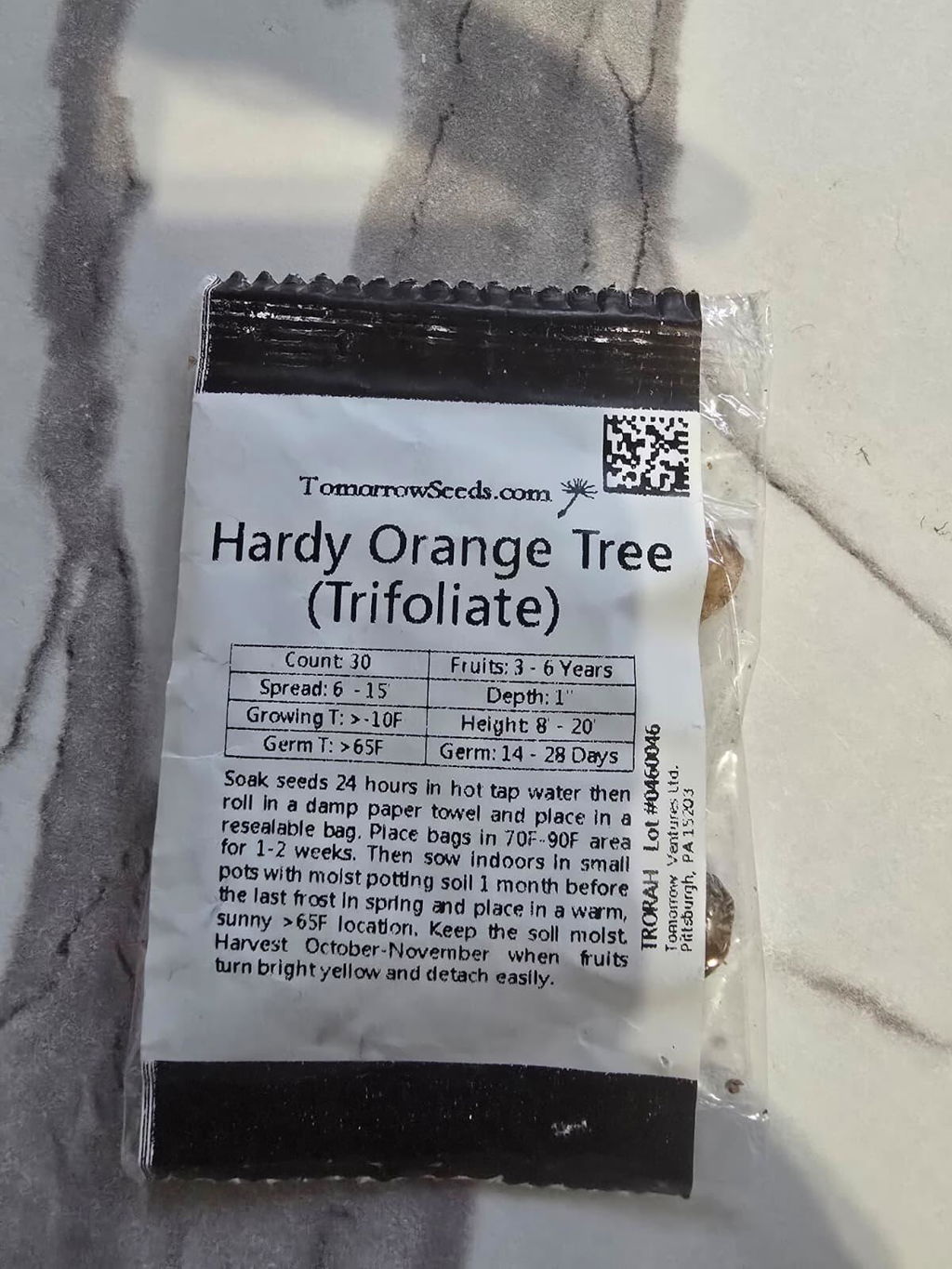


Hardy Orange Tree (Trifoliate)
$4.95
100%
Non-GMO
Free
Shipping
Service
Guaranteed
Also Known As: Citrus Trifoliata, Trifoliate Orange, Hardy Orange, Flying Dragon, Japanese Bitter Orange, Poncirus Trifoliata, Poncirus, Trifoliate Lemon, Chinese Bitter Orange, Three-Leaf Orange, Karatachi.
| Plant Name: | Tree, Trifoliate Orange |
| Latin Name: | Citrus trifoliata, Poncirus trifoliata |
| Days to Germinate: | 14-28 |
| Years to Fruit: | 3 - 6 Years |
| Plant Height: | 8 - 20 Feet |
| Spread: | 6 - 15 Feet |
| Growth Habit: | Upright |
| USDA Zones: | 5-9 |
| Lifespan: | Perennial |
| Brand: | TomorrowSeeds |
| Sunlight: | Full Sun, Partial Shade |
| Pollination: | Heirloom, Open-Pollinated |
| GMO: | No |
| Fungicide-Treated Seeds*: | No |
| Seeds Packed For**: | 2026 |
**Seeds are freshly packed for the growing season of the year listed. Seeds are still viable beyond pack date. Store in a cool and dry location such as the refrigerator or basement to best preserve germination rates.
Planting Instructions:
Soil Preparation:
Choose a clear, sunny location that is not in the shade of other trees and receives at least 6 hours of sunlight each day. Trees establish roots better in sandy, well-drained soils rather than heavy, poorly drained soil. Remove weeds, large rocks, and litter from the planting area. Leave small weeds and dead grass, they will enrich the soil when turned under. Spade or till the soil 6-8 inches deep. Loosening the soil will help the plant establish strong roots. If the soil is heavy or clay-like, mix in some sand or compost to improve drainage. Optionally, either form rows of soil beds or hills 4-6 inches high and at least 15 feet apart. This formation of ridges will help with drainage, ensure good airflow, and make harvesting or maintenance easier.
Planting:
Starting Indoors: Hardy Orange seeds do not require cold-stratification to germinate but may benefit from soaking. To germinate seeds, soak seeds 24 hours in hot tap water prior to sowing. Roll seeds in a damp paper towel and place in a resealable bag and place bags in 70F-90F area for 1-2 weeks. Plant indoors in small pots with moist potting soil 1 month before the last expected frost in spring, and place the pots in a warm, sunny location that is at least 65F. Keep the soil moist, allowing the top inch of soil to dry in between waterings.Once the seedlings have developed a few sets of leaves and are at least 6 inches in height, harden off seedlings then transplant outdoors in the spring, in a sunny location when temperatures are consistently above 60F. To transplant seedlings, prepare a transplant hole outdoors in a sunny, permanent location. Remove the plants carefully from the pots or flats and set them in the transplant holes, burying some of the stem in the ground. Pack the soil loosely around the plant and leave a slightly sunken area around each plant to hold water. Water the plants after transplanting.
Directly Sowing: If directly sowing outdoors, plant in spring in a sunny location when temperatures are consistently above 65F. Soak seeds 24 hours in hot tap water prior to sowing. Roll seeds in a damp paper towel and place in a resealable bag and place bags in 70F-90F area for 1-2 weeks. To plant, make holes 1 inch deep and spaced 30 feet apart down the rows of raised beds. Plant 1 seed per hole, then cover thinly with soil. Seedbeds can be covered with plastic film to promote germination. Water after planting.
| Planting Depth: | 1 inch |
| Within-Row Spacing: | 10-15 feet |
| Between-Row Spacing: | 15 feet |
Care During the Season:
Hardy Orange Tree grows best when receiving full sun and well-draining soil, as this hardy citrus thrives in bright conditions and does not tolerate waterlogged roots. Water regularly during dry periods, especially in its first few years, but allow the soil to dry slightly between waterings to prevent root issues. Apply a light, balanced fertilizer in spring to support healthy foliage and fruit development, and spread a thin layer of mulch around the base to maintain moisture while keeping it away from the trunk. Prune lightly after flowering to remove dead or crossing branches and maintain a tidy shape, being mindful of the sharp thorns. This resilient plant requires minimal attention once established, rewarding you with fragrant blossoms and ornamental fruit throughout the season.
Harvesting:
Harvest Hardy Orange Trees in late fall, typically from October to early November, when the fruits turn bright yellow and detach easily from the branches. Pick the fruits by hand or gently shake the branches so ripe oranges fall—avoid harvesting them while still green, as they won’t have developed full aroma or usefulness. Handle the fruits carefully because the tree has sharp thorns, and wear gloves if needed. Once collected, use the highly fragrant but extremely sour fruits for marmalades, extracts, cleaning solutions, or ornamental crafts, or allow them to dry for long-lasting decoration.
Customer Reviews
Hello,
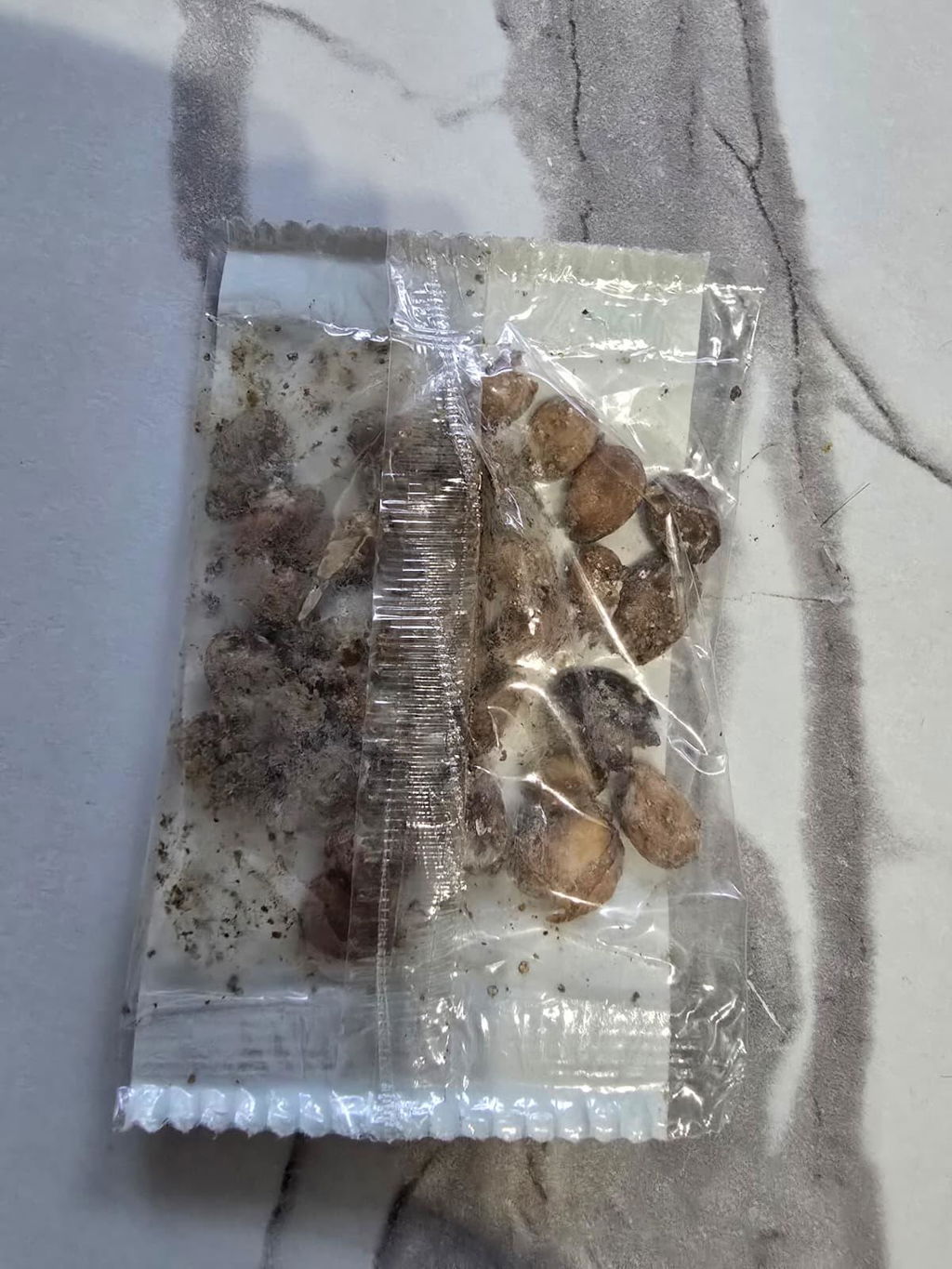
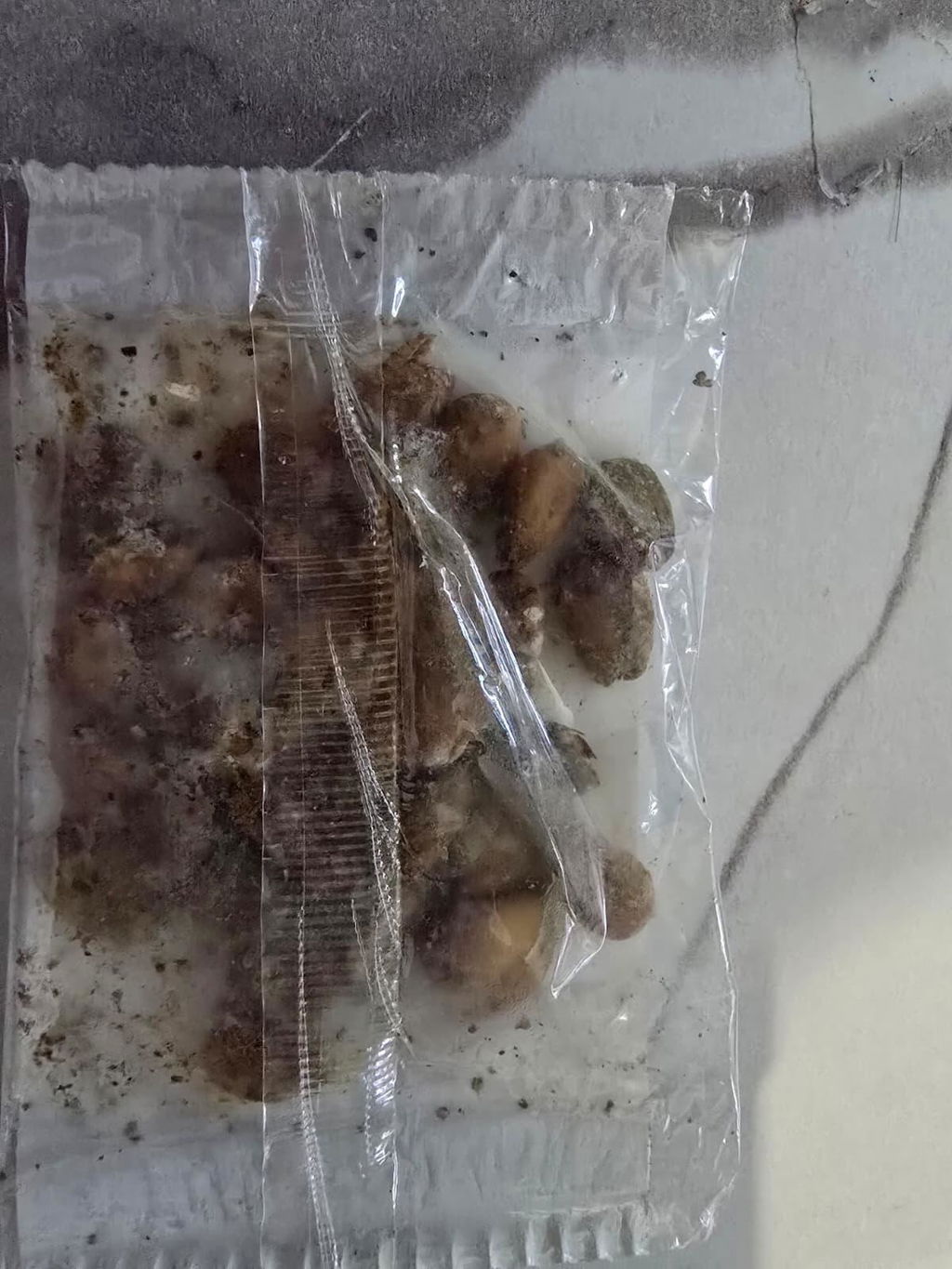
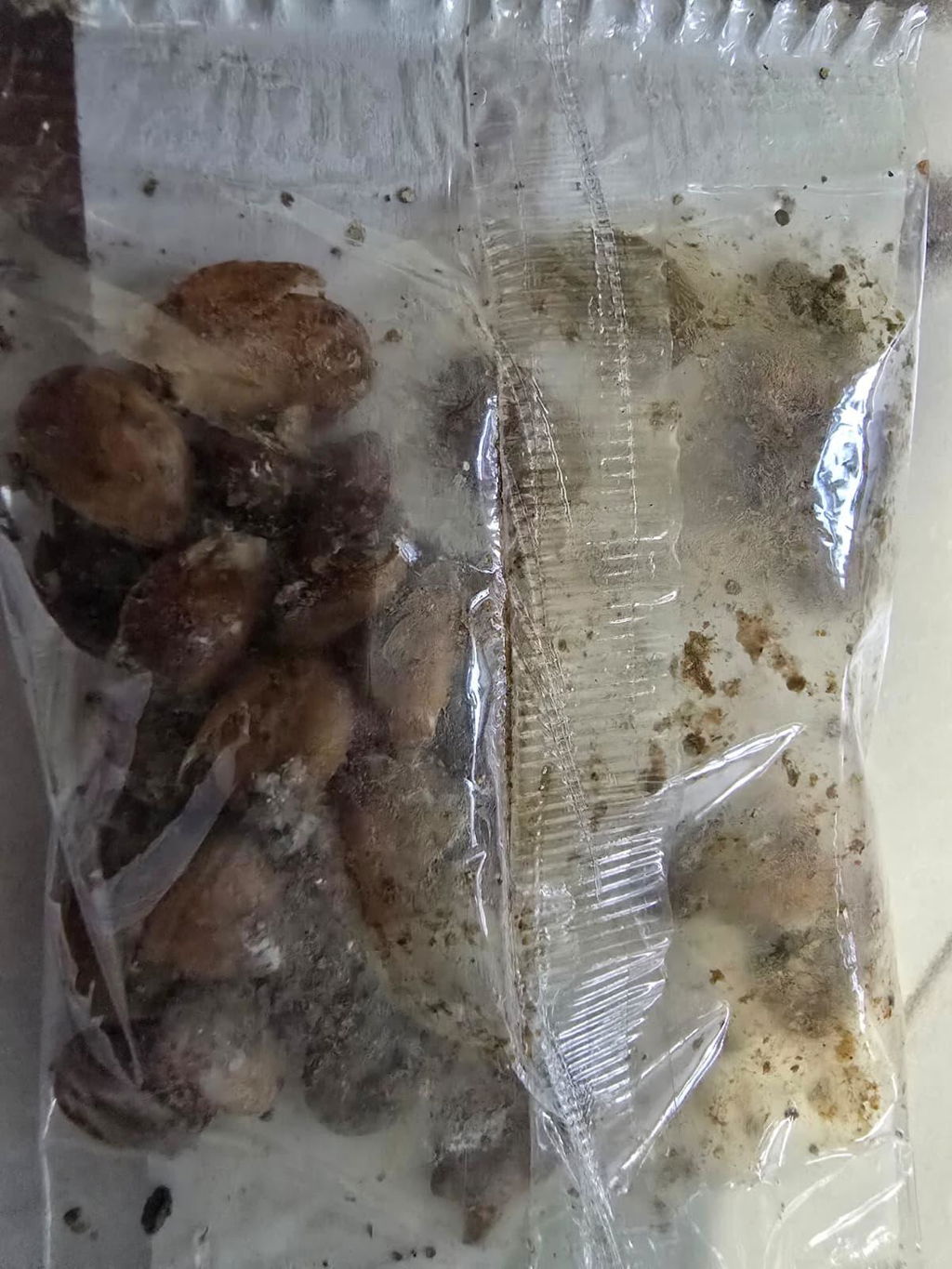
I recently received my order of Hardy Orange Tree (Trifoliolate) seeds, but the seeds arrived in poor condition. They appear to be moldy, damp, and possibly damaged. Based on their condition, I am concerned that they may no longer be viable